





 PAYDAY20




Most women carry some level of discomfort about their bodies. Not because their bodies are doing something wrong, but because they have been told, through advertising, social media, and everyday conversation, that the way their bodies naturally work is something to fix, hide, or manage. Discharge is not a hygiene failure. Cellulite appears in up to 90 percent of women and is linked to biology, not fitness. Stretch marks are not damage. Body hair is not a character flaw. This blog is about what women's bodies actually do, and why so much of the shame around it is manufactured rather than earned.
At some point, most women have looked at their body and found something to apologise for.
Not fitting into the right shape. Smelling wrong. Having hair in the wrong places. Leaking when they laugh. Showing marks from a pregnancy or a growth spurt. Producing discharge that nobody ever told them was normal.
The list of things women are taught to be embarrassed about is long. And most of it is biology.
This blog is not a feel good piece with generic affirmations. It is a factual corrective. Here is what women's bodies actually do, what is normal, and what is not, and why so much of the shame that surrounds it is a product of culture and commerce rather than health.
Vaginal Discharge Is Not a Hygiene Problem
Vaginal discharge is one of the most misunderstood and quietly shamed aspects of women's health. Many women grow up believing that discharge is a sign of poor hygiene or infection. It is neither.
Discharge is produced by glands in the cervix and vaginal walls. It serves a real biological function: removing dead cells and bacteria, maintaining the vaginal pH, and keeping the tissue healthy and lubricated. The vagina is self cleaning. Discharge is how it does that work.
What is normal:
-
Clear to white or slightly yellowish discharge that does not have a strong or foul odour
-
Discharge that changes in consistency and volume through the menstrual cycle, typically thinner and more stretchy around ovulation, and thicker and creamier in the luteal phase
-
Occasional brown discharge at the start or end of a period, which is simply older blood
What is worth checking with a doctor:
-
Discharge that is green, grey, or cottage cheese thick
-
A strong or unusual odour alongside a change in colour
-
Itching, burning, or swelling alongside discharge changes
Daily discharge is a sign of a healthy, functioning reproductive system. If it makes you uncomfortable, a daily panty liner keeps you dry and fresh without interfering with the natural process. What it is not is a reason to douche, which actively disrupts the bacterial balance, or to use heavily scented products that irritate the very skin they claim to protect.
A pH balanced intimate wash used externally every day is enough for intimate hygiene. The inside takes care of itself.
Cellulite Is Not a Failure
Up to 90 percent of women will experience cellulite after puberty. Olympic athletes have it. Models have it. Your strongest, most vibrant friends likely have it too.
Cellulite happens when fat deposits push up against connective tissue beneath the skin, creating a dimpled appearance. Women naturally have a different connective tissue structure than men, one that is more vertical and open, making women biologically more likely to develop cellulite. It is not a punishment. It is not unhealthy. It is just physiology.
Cellulite may be linked to genetics more than body weight. For women genetically predisposed to cellulite, even women with a low body mass index can get moderate to severe cellulite despite a healthy diet and regular exercise.
The beauty industry has built an enormous market around convincing women that cellulite is a flaw worth fixing. Creams, scrubs, rollers, and treatments promise to eliminate something that is a normal structural feature of most women's skin. Studies show that body shame actually leads to avoidance, disordered eating, and less movement, not long term wellness or joy.
Cellulite is not a hygiene issue, a health issue, or a character issue. It is a feature of how most women's skin is built. That is the truth.
Stretch Marks Are Not Damage
Stretch marks appear when the skin stretches faster than it can keep up with. This happens during puberty, pregnancy, rapid weight change, and muscle growth. They are a record of the body growing and changing. They are also extremely common across all body types, skin tones, and ages.
Stretch marks start out red, purple, or dark depending on skin tone, and fade over time to a silvery or pale colour. They do not hurt. They do not indicate poor health. They are not a sign that the body failed.
The market for stretch mark creams is large and persistent. The evidence that most of these products meaningfully reduce the appearance of stretch marks, particularly older ones, is limited. Keeping skin moisturised can support skin elasticity during periods of change, but the expectation that stretch marks should be erased, and the shame attached to having them, is cultural rather than medical.
Body Hair Is Not Unhygienic
Women have body hair. Underarms, legs, arms, the stomach, around the nipples, the face, and the pubic area. This is not abnormal. It is how human bodies are built.
The expectation that women should remove most or all of their body hair is a cultural norm that is relatively recent in historical terms and varies significantly across regions and communities. It is not a hygiene requirement. Underarm and pubic hair does not cause odour by itself. Bacteria that interact with sweat do, and those bacteria are present regardless of whether hair is there.
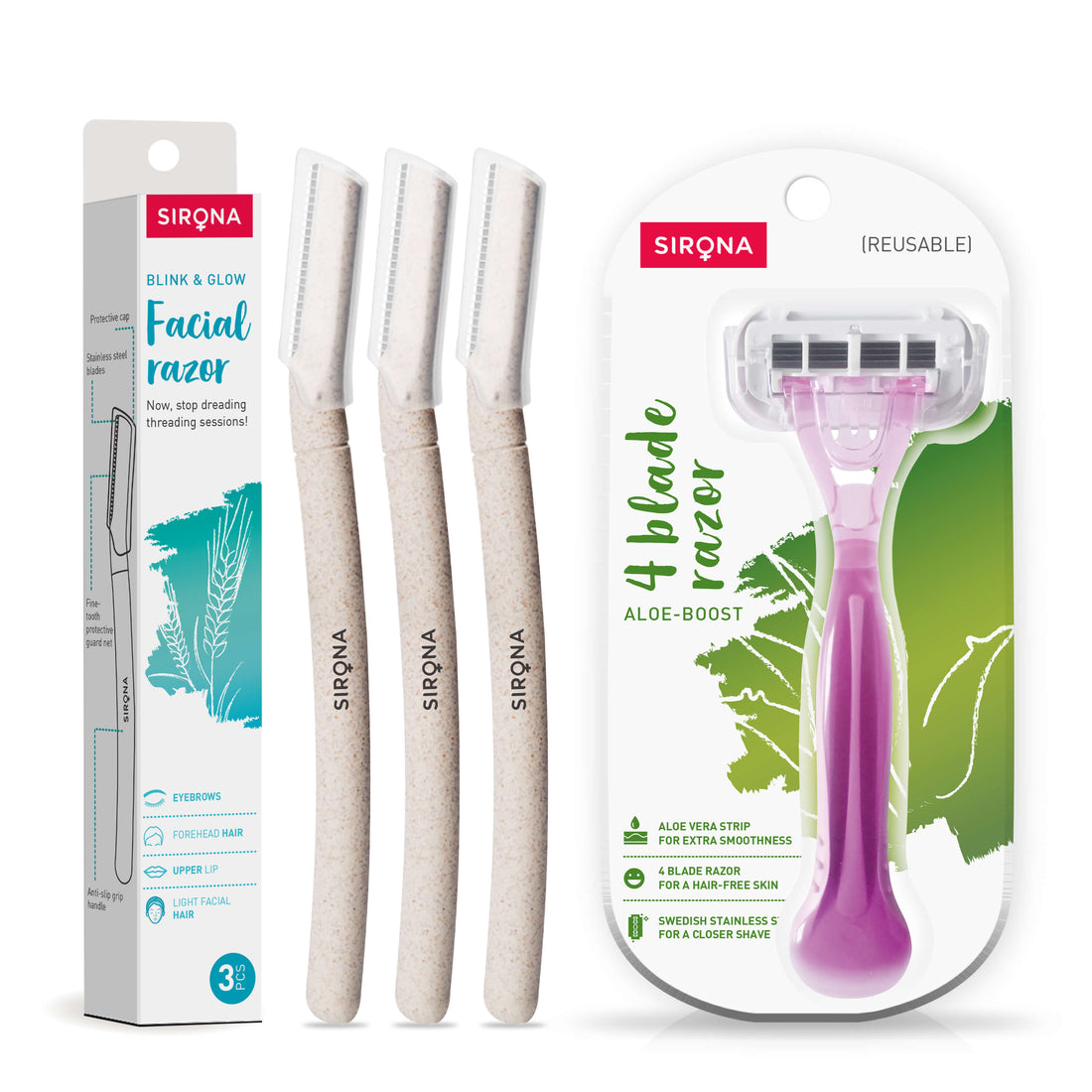
Removing body hair is a personal choice and a valid one if it makes you more comfortable. It is not a hygiene obligation. The framing that body hair on women is dirty, unhygienic, or unprofessional is a standard that does not apply to men with the same intensity, and it is worth recognising that for what it is.
If underarm sweat, with or without hair, is a concern during long days, underarm sweat pads address the actual issue, which is moisture and sweat on clothing, without requiring any particular grooming choice.
Period Blood Is Not Always the Same and That Is Normal
Period blood changes colour throughout a period and across different cycles. This is not a sign of infection or illness in most cases. It is the result of how long blood takes to leave the body, how much oxidation has occurred, and where in the cycle you are.
A colour guide that is actually grounded in reality:
-
Bright red: fresh blood moving quickly. Usually seen on heavier flow days
-
Dark red or maroon: slightly older blood that took longer to exit. Common at the start or end of a period
-
Brown: very old blood. Common at the very start or end of a period, when flow is light and blood moves slowly
-
Pink: lighter blood mixed with cervical fluid. Often seen on lighter days or at the very beginning of a period
-
Orange or grey: worth mentioning to a doctor. These can sometimes indicate infection, though not always
Women are often alarmed by colour changes when they are completely normal. Understanding what the colour of period blood actually means removes a significant amount of unnecessary anxiety.
Belly Rolls and Body Fat Distribution Are Not Problems to Solve
When you sit down, skin folds. When you bend, rolls form. This is not excess weight or poor health. It is how skin and tissue behave on a body that is alive and moving.
Fat distribution in women is influenced by estrogen and affects the hips, thighs, stomach, and breasts differently than in men. This is biological. A flat stomach at all times is not the default state of a human abdomen. It is a particular body composition that applies to very few people in very specific circumstances, and it is the state most often depicted in advertising and social media because it is aspirational, not because it is average.
The constant comparison of real, moving bodies to curated, filtered, often retouched images is not a fair comparison. And measuring your body against an image that has been professionally lit, posed, and edited is not a useful health metric.
Intimate Odour Is Normal. Foul Odour Might Not Be
The intimate area has a natural scent. This scent is individual, shifts slightly through the menstrual cycle, and changes with exercise, diet, and hormonal phases. None of this is a hygiene failure.
The category of products designed to make the intimate area smell like something it does not naturally smell like is large, heavily marketed, and frequently counterproductive. Scented sprays, scented wipes, and perfumed intimate washes applied inside or closely around the vaginal area often disrupt the very pH balance that keeps the area healthy, leading to exactly the infections and odour they claim to prevent.
A mild natural scent from the intimate area is normal. A sudden, strong, or noticeably different odour, particularly if accompanied by discharge changes, itching, or burning, is worth checking with a doctor. One is biology. The other is a symptom.
Keeping the intimate area clean with a gentle, fragrance free intimate wash and staying dry with intimate wipes when needed is enough.
Uneven Breasts Are Normal
The vast majority of women have breasts that differ slightly from each other in size or shape. This asymmetry is so common it is considered the norm rather than the exception. It does not indicate a health problem and does not require treatment.
Hormonal changes through the menstrual cycle, pregnancy, breastfeeding, and ageing all affect breast tissue differently. Breasts also change throughout life, which is also normal.
The pressure on women to have symmetrical, perky, smooth breasts that remain largely unchanged through decades of hormonal shifts, pregnancies, and ageing is not based on health. It is based on aesthetics that benefit industries selling solutions to problems that mostly do not exist.
The Industry of Manufactured Shame
Here is a useful way to look at all of this.
There is significant commercial benefit in convincing women that their bodies are slightly wrong. Discharge is marketed against as an odour problem. Cellulite is marketed against as a skin flaw. Body hair is marketed against as a hygiene failure. Stretch marks are marketed against as damage that needs repair. Uneven breasts, belly rolls, intimate odour, and period blood are all quietly positioned as things women should manage, hide, or fix.
Each of these things is normal. The shame attached to them is not inherent. It is built, maintained, and profited from.
Good hygiene products exist and matter. Using a gentle intimate wash, wearing a panty liner on heavy discharge days, and using a menstrual cup or period panties that make period management easier are genuinely useful choices. The difference is that these products serve a real need rather than manufacturing one.
The test is simple: does this product make your health and daily comfort better? Or does it exist because someone convinced you that something normal about your body was a problem?
Conclusion
Women's bodies do a great deal. They bleed monthly for decades. They produce discharge to stay healthy. They grow and stretch and change. They develop cellulite because of how their connective tissue is built. They have hair because that is how human bodies work. They smell like bodies, not like the inside of a flower shop.
None of this is failure. None of it is a hygiene problem. None of it requires fixing in the sense that advertising would have you believe.
Understanding what your body actually does, and separating that from what you have been told your body should look and smell and behave like, is not a small thing. It is the beginning of making genuinely informed decisions about your health rather than shame driven ones. And that is a better foundation for any hygiene routine than embarrassment ever will be.


